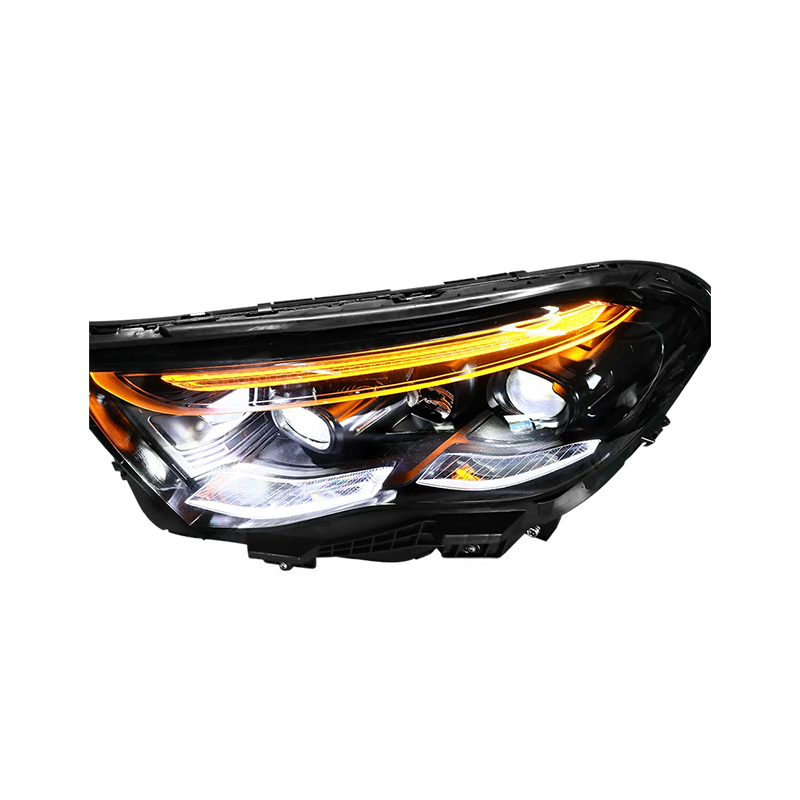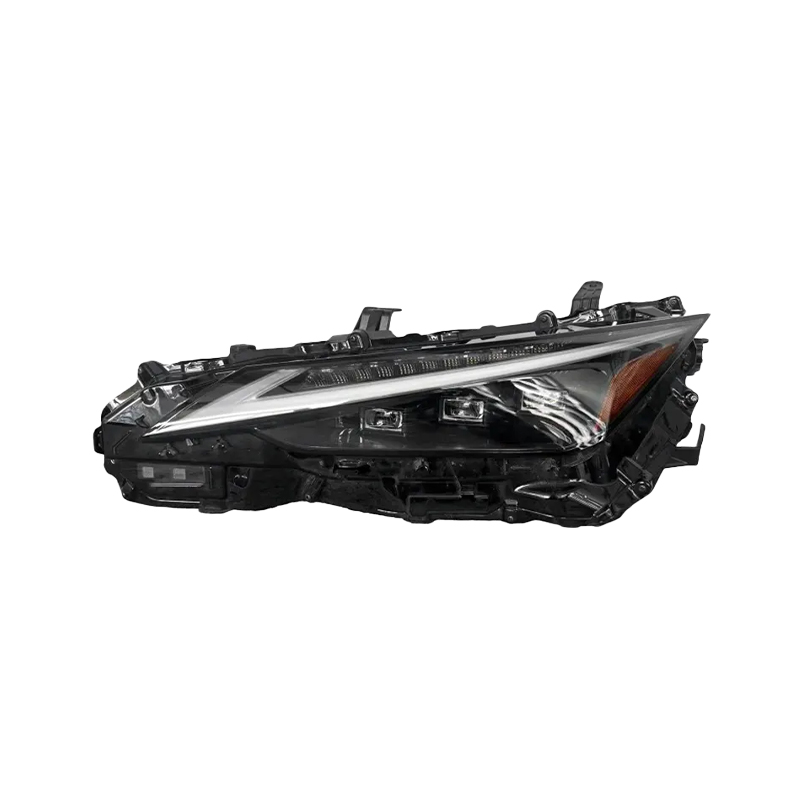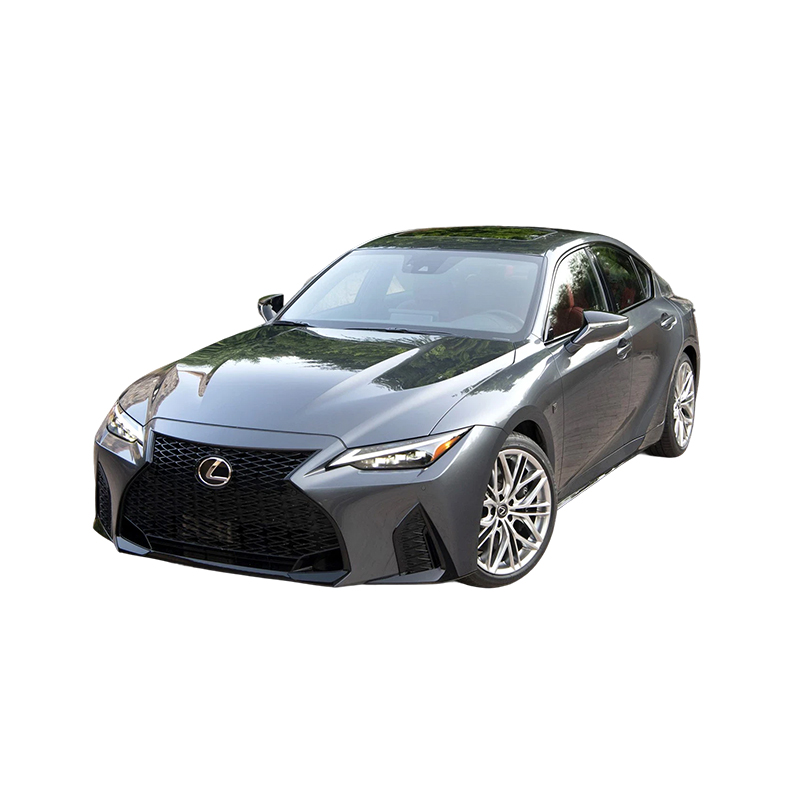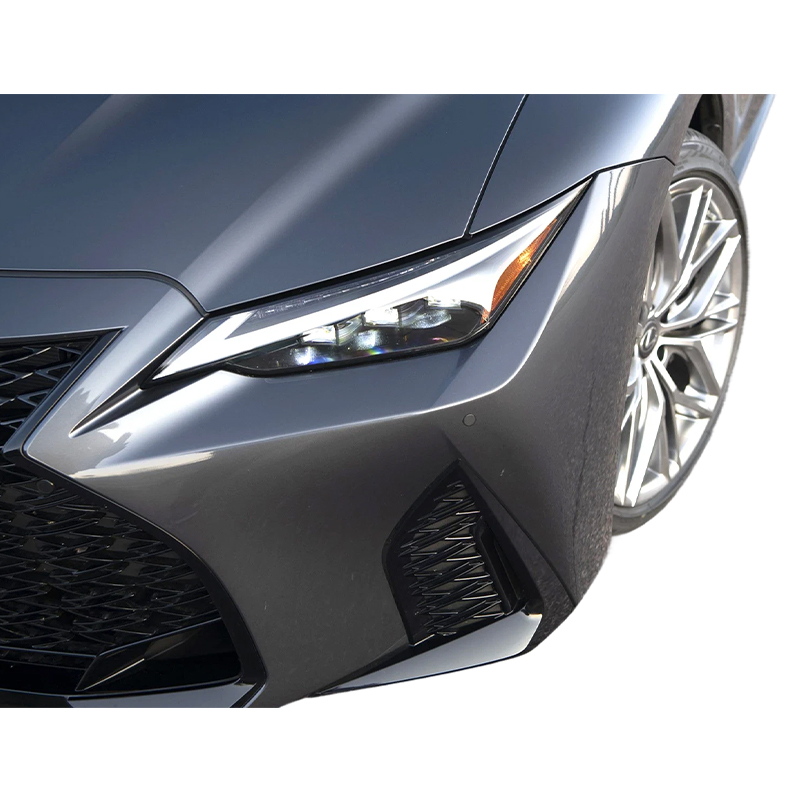
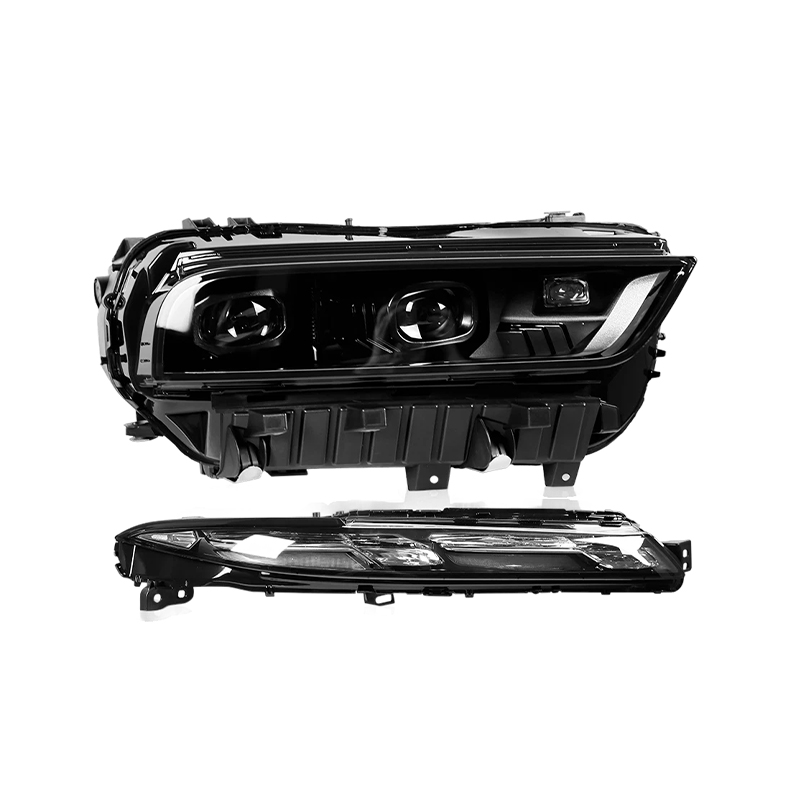
In the evolution of the modern automotive industry, headlights have long transcended their role as mere illumination tools, becoming the soul of a vehicle—an element that defines brand identity and embodies the aesthetics of the overall design.
Since its debut, the new generation Mercedes-Benz E-Class W214 has redefined the standards of luxury mid-size sedans with its futuristic design language and intelligent features.
Modern car headlights generally use LED light sources. Compared to traditional halogen lamps and xenon lamps, LEDs have higher electro-optical conversion efficiency, enabling them to output higher brightness luminous flux with lower power consumption.
With the increasing demand for car modification and personalization upgrades, more and more car owners are paying attention to the overall quality of their vehicle's exterior and lighting systems.
The transition from halogen to LED headlights represents one of the most significant advancements in automotive lighting technology.
Sensors are the "sensing organs" of the dynamic adaptive headlights function in automobiles, and their core task is to collect key parameters during the vehicle's driving process in real time.